
Build Your Financial Confidence Through Structured Learning
Starting September 2025, we're offering a comprehensive eight-month program that takes you from money confusion to financial clarity. Not through lectures about theory—through practical skills you'll use immediately.
This isn't about promising you'll become wealthy. It's about giving you the tools to make informed decisions about your own situation. Because when you understand where your money actually goes, you can start directing it where you want it to go.

How the Program Actually Works
Four progressive modules spanning September 2025 through April 2026. Each builds on what came before, so you're never stuck trying to understand concepts without context.
Foundation Phase
We start with tracking. Sounds boring, but you can't improve what you don't measure. You'll learn to categorize expenses in ways that actually reveal patterns, not just create spreadsheets.
Budget Building
Creating budgets that work with your life instead of against it. We'll look at different approaches—zero-based, percentage-based, envelope method—and figure out what fits your actual circumstances.
Debt Navigation
Understanding interest calculations, comparing payment strategies, and making decisions based on your specific debt structure. Plus how to talk to lenders when things get complicated.
Future Planning
Superannuation, emergency funds, and basic investment principles. We explain the terminology that financial advisors use so you can have informed conversations about your options.
Learning Through Practice
Each module combines short explanations with immediate application. You'll work with your own financial information—not hypothetical scenarios that don't match reality.
Weekly Practical Tasks
Small assignments that take 20-30 minutes. Things like categorizing a week of spending or calculating different loan payoff scenarios using your actual numbers.
Group Discussion Sessions
Fortnightly online meetups where Callista Thornbury and Fraser Inglewood walk through common challenges. You can ask questions without revealing personal details.
Resource Library Access
Templates, calculators, and guides you can reference anytime. Everything from expense tracking sheets to scripts for difficult money conversations.
How We Assess Progress
No exams or grades. We measure understanding through what you can actually do with financial information. Can you read a loan statement and spot the important numbers? Can you adjust a budget when circumstances change?
- Monthly reflection submissions where you explain decisions you made and why
- Budget revision exercises that test your ability to adapt to changing income
- Debt payoff strategy comparisons using real interest rates and terms
- Final portfolio showing your personal financial system and how you'll maintain it
The goal isn't perfection. It's building habits and frameworks that work after the program ends. We're looking for thoughtful responses that show you're processing concepts, not memorizing formulas.
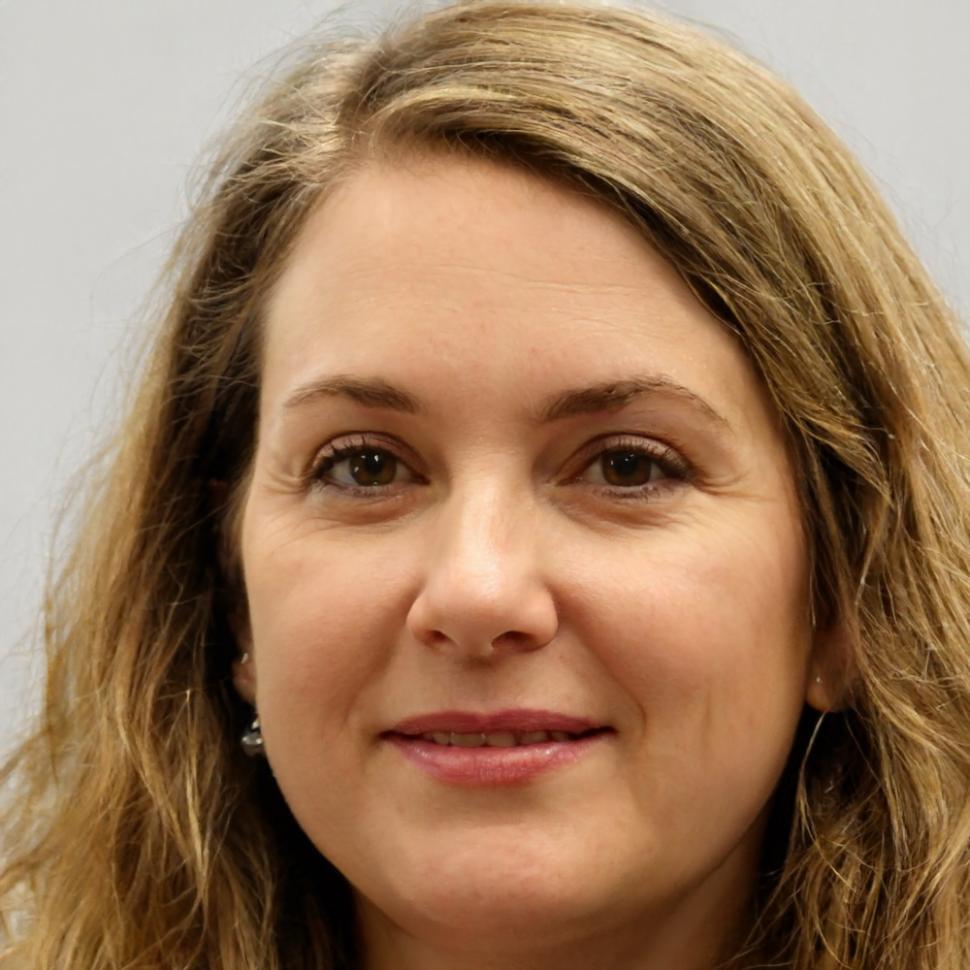
Learn From People Who've Been There
Callista spent seven years as a financial counselor before moving into education. Fraser worked in banking and saw how often people felt confused by their own accounts.
They're not going to promise you'll retire early or double your savings. They will show you how to read the fine print, spot predatory fees, and make comparisons between financial products.
Classes start the second week of September 2025. Limited to 35 participants so everyone gets feedback on their work.
Ask About Enrollment